Well-being in daily life is not just a list of quickly forgotten resolutions. Recent data in chronobiology, positive psychology, and environmental health point to concrete, sometimes underestimated, levers that act on stress, sleep, and energy without resorting to dietary supplements or expensive products. Here are ten actionable tips, grounded in current knowledge, to improve your well-being naturally.
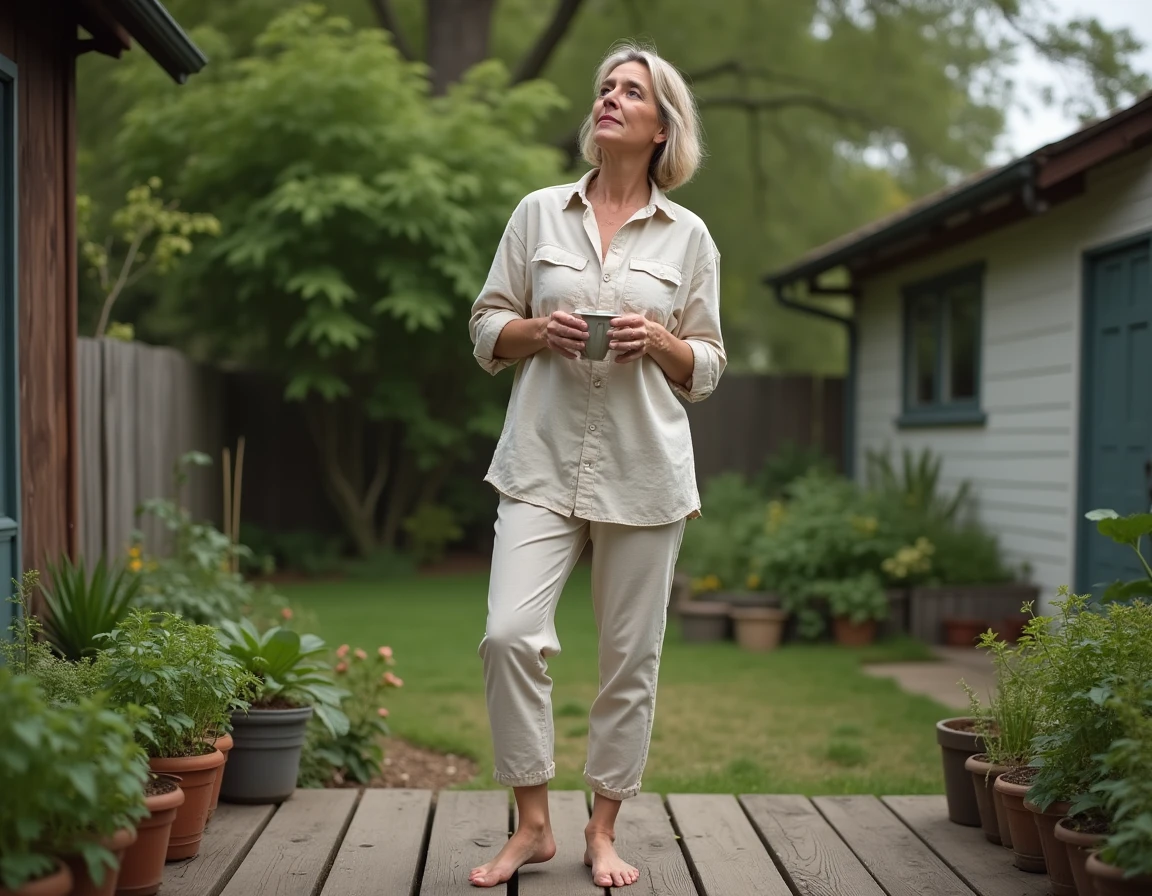
1. Expose yourself to natural light upon waking

Since 2022, several studies reported by the American Academy of Sleep Medicine confirm that morning light stabilizes the biological clock and reduces anxiety and depressive symptoms. The effect comes through the regulation of melatonin and morning cortisol.
Specifically, an exposure of twenty to thirty minutes to outdoor light, even on a cloudy day, is enough to recalibrate the circadian rhythm. This simple action improves sleep quality by the following night, which impacts concentration and mood during the day.
Specialized resources like the website Le Coin du Bien-être detail other natural approaches that complement this morning routine.
2. Reduce screen time in the evening to protect sleep

Studies published in 2023 in the Journal of Affective Disorders and Cyberpsychology, Behavior, and Social Networking show a strong correlation between reducing exposure to social media in the evening and a measurable decrease in perceived stress. Rumination decreases, and sleep sets in more quickly.
Turning off notifications at least one hour before bedtime is the minimum threshold to observe an effect. Replacing scrolling with a low-stimulation activity (reading, gentle stretching) speeds up the transition to sleep.
3. Ventilate your home to improve indoor air quality
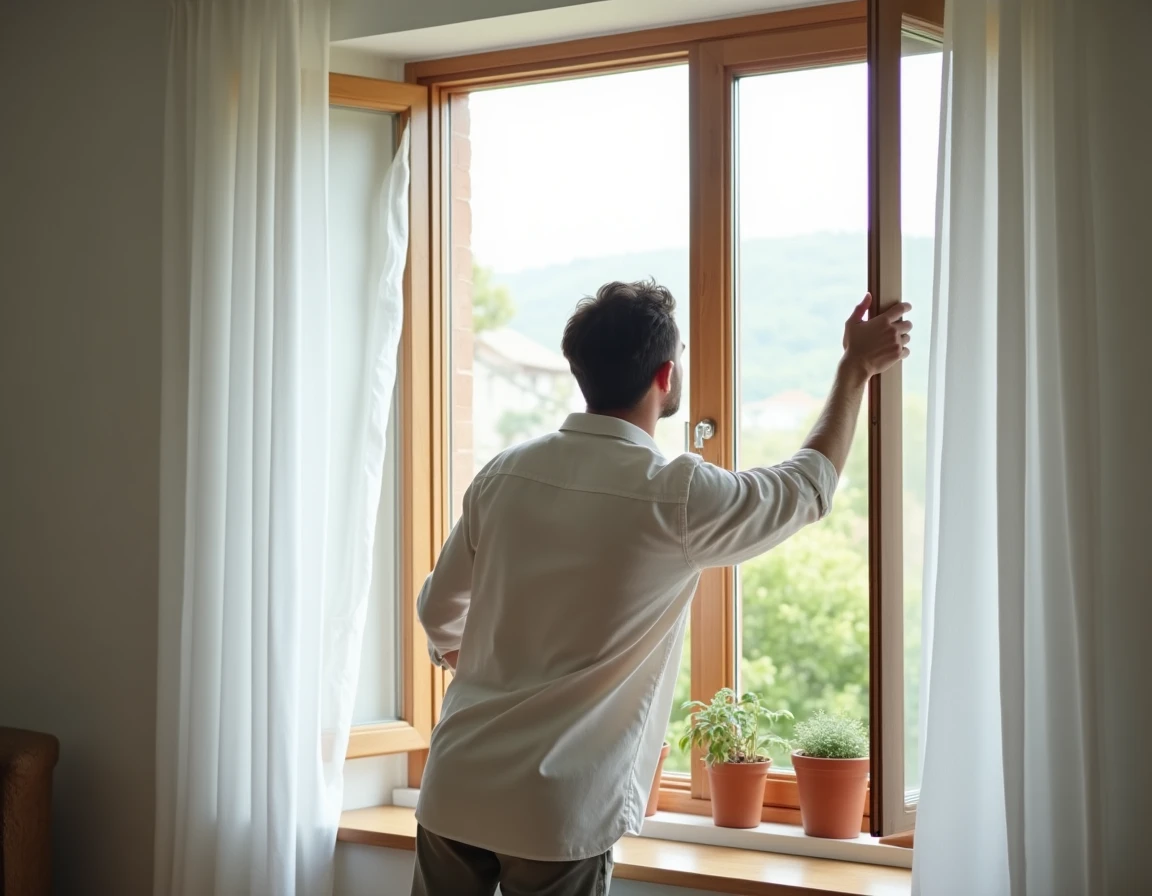
ANSES and WHO remind us in their recent reports that indoor air quality directly affects fatigue, headaches, and irritability in daily life. Volatile organic compounds (VOCs) emitted by scented candles, incense, or certain household products accumulate in poorly ventilated rooms.
Opening windows for ten minutes morning and evening, even in winter, sufficiently renews the air volume in a standard room. This is a well-being lever often overlooked, yet documented by French and European public health authorities since 2020.
4. Walk outside instead of running on a treadmill

Regular physical activity remains a pillar of well-being, but the context in which we move matters as much as the effort itself. Walking outside combines movement, exposure to natural light, and sensory contact with the environment, three factors that simultaneously affect the body and stress.
Thirty minutes of daily outdoor walking provides benefits comparable to more intense indoor sessions in terms of mental health. The absence of equipment or cost barriers makes this practice accessible to almost everyone.
5. Practice micro-acts of kindness daily

Research in positive psychology and neuroscience has shown since 2019 that micro-acts of kindness have a measurable effect on subjective well-being. Thanking, providing a spontaneous service, or simply greeting a neighbor activates the brain’s reward circuits.
The effect does not depend on the size of the gesture. What matters is the regularity: integrating these small actions into daily life produces a cumulative impact on satisfaction and reduces feelings of isolation.
6. Drink water before feeling thirsty

Light dehydration, often unnoticed, leads to fatigue, decreased concentration, and irritability. Waiting until you are thirsty to drink means the body has already been functioning in a state of water deficit for some time.
Keeping a bottle or pitcher in sight acts as a passive reminder. Water remains the drink of choice for the body, far ahead of juices or energy drinks.
- Start the day with a large glass of room temperature water to kickstart metabolism after the night
- Spread intake throughout the day rather than drinking large amounts at once
- Monitor urine color as a simple hydration indicator
7. Prepare meals with raw ingredients

Processed foods concentrate salt, refined sugars, and saturated fatty acids, three factors associated with chronic inflammation and energy dips. Cooking for oneself, even simply, allows control over what goes on the plate.
Favoring fruits, vegetables, whole grains, and vegetable oils reduces the risk of post-meal fatigue and supports mood balance over time. It is not about following a strict diet, but gradually replacing ultra-processed dishes with simple preparations made from organic or raw products.
8. Implement a five-minute breathing break
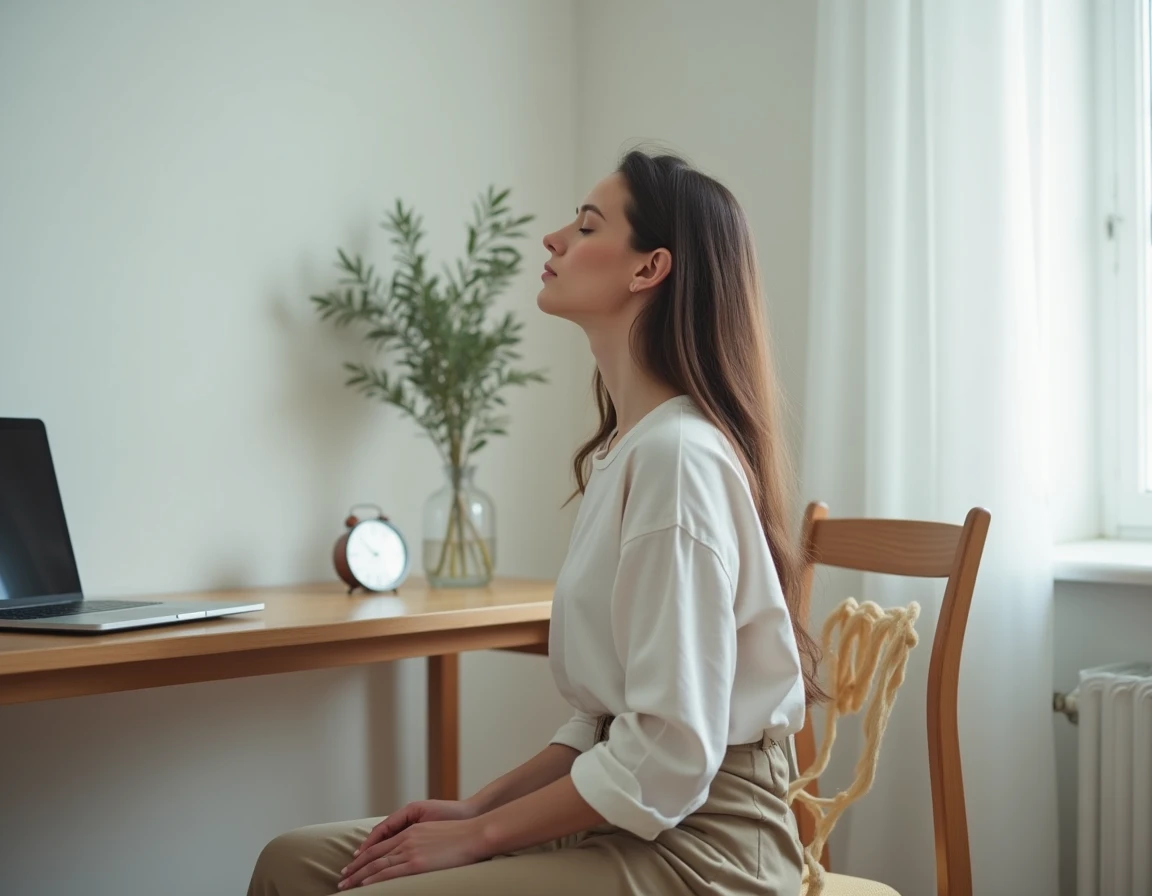
Slow breathing techniques (heart coherence, diaphragmatic breathing) activate the parasympathetic nervous system within minutes. This effect is documented and reproducible, requiring no equipment or prior training.
Five minutes of controlled breathing, two to three times a day, is enough to lower heart rate and cortisol levels. It is a stress management tool usable at the office, during commutes, or at home.
9. Tidy a limited space each day

The link between visual clutter and mental load is established: a cluttered environment keeps the brain in a state of diffuse alertness, consuming cognitive energy without us realizing it.
Tidying a single drawer, shelf, or countertop each day produces a disproportionate effect on the feeling of control. The goal is not a minimalist interior, but a gradual reduction of visual noise in living and working areas.
10. Keep a targeted gratitude journal

Gratitude is one of the most studied practices in positive psychology. However, mechanically noting three positive elements each evening quickly loses its effect if the exercise becomes automatic.
To maintain a real benefit, it is better to vary the angle: describe a specific sensory moment, name a person and the reason for gratitude, or note a problem avoided. The specificity of the memory matters more than the quantity.
- Writing by hand rather than on a screen strengthens memory anchoring
- Alternating between relational, bodily, and situational gratitude helps avoid routine
- Rereading previous entries once a week amplifies the cumulative effect
Improving well-being naturally relies less on major changes than on the consistency of small adjustments. Morning light, air quality, outdoor walking, or controlled breathing act on specific physiological mechanisms. The hardest part remains maintaining these habits beyond the first few weeks, which suggests adopting only two or three at a time before expanding.