As a homeowner or tenant, keeping the tile clean is a daily and sometimes challenging task. Its tendency to accumulate dirt and stains is often a source of frustration. In order to promote a healthy and aesthetically pleasing environment, one must think about cleaning and maintenance. This can make all the difference between sparkling tiles and dull or discolored ones. Here are ten clever tips to help you keep your tiles clean and minimize their soiling.
The Importance of Clean Tiles: An Essential Prelude
The first tip for keeping your tiles clean and less soiled is to opt for natural cleaning products. Indeed, harsh chemicals can not only damage the tile surface, but also pollute the environment.
Instead, favor gentle natural solutions such as white vinegar or baking soda diluted in warm water. These simple and inexpensive ingredients are very effective at removing stubborn stains without damaging the surface.
For an optimal result, simply apply the solution to a sponge or a damp cloth, then gently scrub the surface of the soiling matte tile. Rinse with clear water and wipe thoroughly with a microfiber cloth to avoid streaks.
By using natural products, you not only preserve the lifespan of your tiles, but also contribute to reducing your ecological footprint.
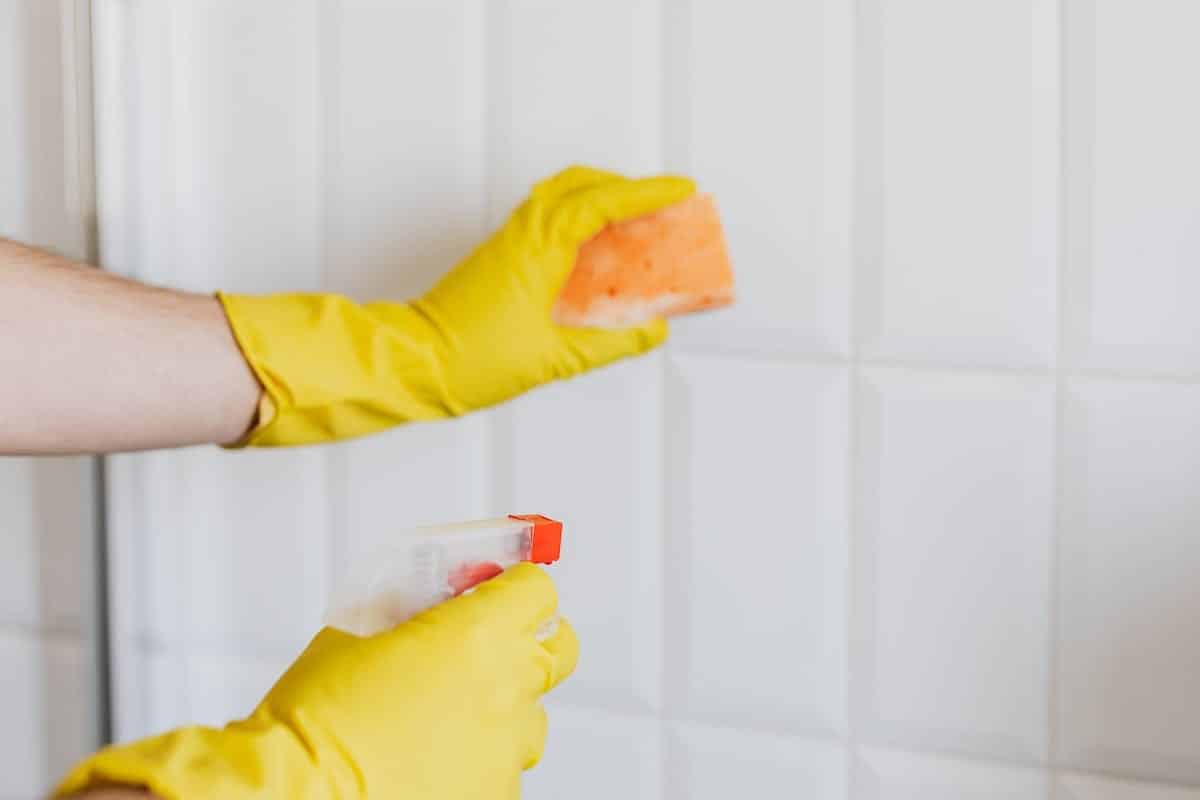
Cleaning Your Tiles with Natural Products: Tip #1
Another essential tip for keeping your tiles clean and less soiled is to use water-repellent products. Ceramic tiles, although durable, can be vulnerable to stains and moisture if preventive measures are not taken.
Water-repellent products are specially designed to create a protective barrier on the tile surface, preventing water and liquids from penetrating the pores of the material. This additional protection not only makes daily cleaning easier but also extends the lifespan of the surface.
There are various options available on the market, including sprays or brush-on solutions. Before applying a water-repellent product to your tiles, ensure you read the manufacturer’s instructions carefully for a correct application.
When you’re ready to protect your tiles, start by thoroughly cleaning the entire surface with an appropriate product. Ensure that all traces of dirt or residues have been removed before applying the water-repellent product.
Once the tiles are dry and clean, gently pour some of the chosen product into a suitable container. Use a brush or a non-abrasive sponge to evenly spread the product over the entire surface of the tile. Be sure not to forget the grout, as it can also benefit from this protection.
Let the product sit for the time recommended by the manufacturer. Once this time has elapsed, wipe off the excess with a soft, clean cloth. Allow to dry completely before using the treated area again.
By protecting your tiles with water-repellent products, you create a waterproof barrier that greatly facilitates daily maintenance. Stains and dirt will have less hold on your surface, allowing you to keep a sparkling and well-maintained floor for longer.
Remember that regular use of water-repellent products is necessary to maintain their effectiveness over time.
Protecting Your Tiles with Water-Repellent Products: Tip #2
When it comes to keeping your tiles clean and less soiled, a simple yet effective tip is to use mats or doormats at the entrance of your home. These functional accessories can make all the difference in terms of hygiene and aesthetics.
By placing a mat or doormat outside each entrance door, you create a buffer zone that helps trap dirt before it spreads throughout the rest of your home. Indeed, when you walk across these weather-resistant surfaces, such as natural coconut or non-slip rubber, your shoes release a significant amount of dust and debris they have picked up during your travels.
To optimize this preventive method against unwanted dirt on your tiles, it is recommended to have several types of mats suitable for different weather conditions. For example, an absorbent model might be ideal for rainy days when shoes are wet. During drier or sunnier periods, prefer a scrubbing doormat with stiff fibers to effectively remove dirt embedded in the soles.
Also, remember to regularly maintain these essential accessories to prevent them from becoming sources of dirt themselves. Shake them out regularly to remove accumulated debris and vacuum them if necessary. If you notice a stain, it is best to act quickly using appropriate products to prevent any degradation.
For maximum protection of your tiles and easier maintenance, feel free to complement the use of mats or doormats with other tips presented. By adopting this simple yet effective habit, you will not only help keep your interior clean but also prolong the lifespan of your surface.
The strategic use of mats or doormats at the entrance is a practical solution to limit the spread of dirt on your tiles. These accessories play an essential role in preserving the overall cleanliness of your home while adding a personalized decorative touch to your welcoming spaces.
Limiting Dirt with Mats at the Entrance: Tip #3
When thinking about maintaining your tiles, be sure not to neglect the grout. Indeed, these small grooves that connect the tiles can accumulate dirt and deposits over time, which can harm the overall aesthetics of your floor.
To keep your grout clean and prevent it from becoming a breeding ground for bacteria and mold, it is recommended to adopt a regular cleaning routine. Here are some practical tips to help you with this task:
Favor natural products: To preserve the quality of the grout and avoid any potential damage caused by harsh chemicals, opt for homemade natural solutions instead. For example, mix white vinegar with hot water in a spray bottle and spray it on your grout. Let it sit for a few minutes before using a soft-bristled brush or an old toothbrush to gently scrub the mixture onto the dirty areas.
Use baking soda: Baking soda is another versatile ingredient you can use to effectively clean your grout deeply. Mix it with enough warm water to form a thick paste, then apply it to your grout using an appropriate brush or even your finger (if necessary). Let it sit for about 15 minutes before rinsing thoroughly with clear water. This method is particularly effective for removing stubborn stains and restoring shine to your grout.
Test the power of lemon: Thanks to its antibacterial and antiseptic properties, lemon juice can also be used to clean tile grout. Simply squeeze a few lemons into a bowl, then soak a brush or sponge in this natural liquid. Gently scrub the dirty areas, focusing on persistent stains, and then rinse thoroughly.
Don’t forget drying: Once you have cleaned your grout, it is crucial to dry it well to prevent any subsequent mold or bacteria growth. Use a clean towel or absorbent cloth to soak up excess water and then let it dry naturally.
By following these simple yet effective tips, you can keep your grout clean and prevent any potential issues related to dirt accumulation over time. Don’t hesitate to integrate this regular maintenance routine into your schedule to fully enjoy the lasting beauty of your tiles.
Regularly Maintaining Tile Grout: Tip #4
To keep your tiles clean and sparkling, you must face a formidable enemy: water stains. After cleaning your floor, you often notice these unsightly marks that form when water evaporates naturally.
Fortunately, there is a simple and effective solution to prevent the appearance of these unwanted stains: using a squeegee. You are probably familiar with this handy tool used in the bathroom to remove excess water from shower walls or mirrors. Well, know that it can also be successfully used on your tiles!
The technique is very simple. After carefully cleaning your tiles, take your squeegee and gently run it over the floor surface. Be sure to apply consistent pressure to evenly remove any residual water.
The main advantage of this method is its speed. In just a few passes, you will achieve a flawless result without any visible streaks.
The squeegee has the added benefit of not requiring the use of additional chemicals. It works simply with its soft rubber edge that perfectly conforms to the shape of the tile and quickly absorbs any remaining liquid residues.
You should note that this tip is only recommended for relatively flat surfaces without pronounced relief. If your tiles have patterns or significant irregularities, it is better to use an alternative method to avoid any risk of damage.
By incorporating the use of a squeegee into your cleaning routine, you will be able to keep your tiles spotless and free of annoying water stains. It’s a simple yet effective tip that will make all the difference in the overall appearance of your floors.
Feel free to adopt this regular habit to fully enjoy the lasting beauty of your tiles, without having to fear unwanted marks caused by water.
Avoiding Water Stains with a Squeegee: Tip #5
Tip #6: Use a mixture of white vinegar and water to eliminate stubborn stains on the tiles.
Sometimes, despite all your efforts, persistent stains may appear on your tiles. Whether it’s grease marks in the kitchen or colored residues in the bathroom, these stains can be particularly stubborn to remove.
Fortunately, there is a natural and effective solution to tackle the most stubborn stains: white vinegar diluted in water. Vinegar has long been known for its cleaning and degreasing properties.
To use this tip, you will need an empty spray bottle. Fill it with a mixture consisting of one part hot water and an equal part of white vinegar. Shake the bottle well to mix the solution.
Once your preparation is ready, spray it generously on the soiled areas of the tiles. Let it sit for a few minutes so that the vinegar can dissolve the embedded impurities.
Grab a soft brush or a non-abrasive sponge and gently scrub the stains in circular motions. The vinegar will work to detach the dirt while the hot water will help rinse away the residues effectively.
After thoroughly scrubbing all affected areas, rinse abundantly with clean water to remove any vinegar residue. Be sure to dry the surface well with a clean cloth or a soft mop.
This tip is particularly effective on ceramic, stoneware, or natural stone tiles. However, it should be noted that vinegar can be slightly corrosive on some more sensitive materials such as marble or travertine. In this case, it is better to use specific products recommended by the manufacturer.
By incorporating the use of white vinegar diluted into your regular cleaning routine, you will be surprised by the results achieved. The stubborn stains will be eliminated, and your tiles will regain their original shine.
Don’t hesitate to try this simple and economical tip right now to enjoy a spotless floor free of all unwanted traces.