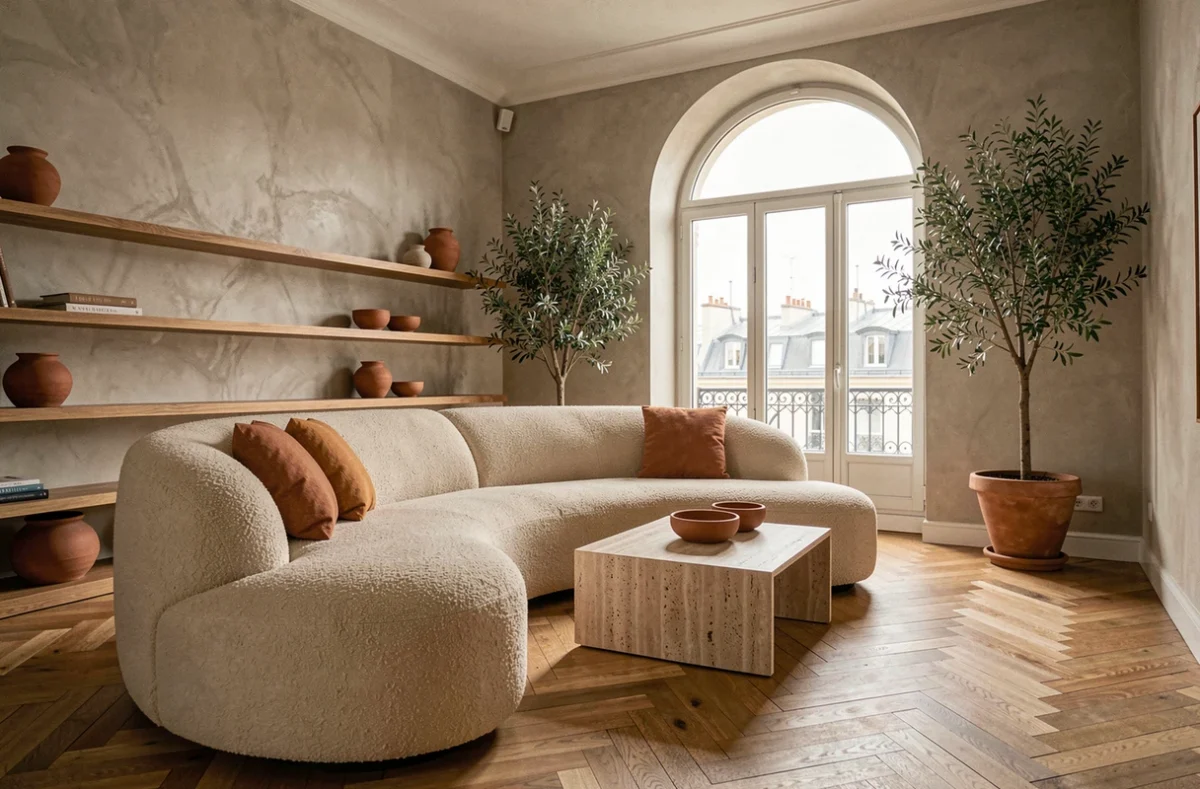
The interior layout refers to how volumes, circulation, and furniture are organized within a home. Current trends are no longer limited to choices of colors or decorative styles: they incorporate technical, regulatory, and environmental constraints that fundamentally change the way each room is designed.
Reuse of materials: an underestimated design lever
Reuse is not just an ecological approach. Antique floorboards, reclaimed doors, tiles from demolitions, or cast iron radiators become integral design elements, with a visual character that new materials struggle to replicate.
The challenge lies in the variable availability of these materials. A batch of reclaimed cement tiles from a construction site cannot be reproduced identically. The project must be conceived earlier and remain adaptable to integrate these pieces as they are sourced. The French Federation of Building emphasizes that reuse involves specific technical, contractual, and insurance responsibilities, which necessitates a rigorous framework from the design phase.
This approach alters the usual order of a design project. Instead of choosing materials after finalizing the plans, one starts with the available materials to shape the space. Professionals like creagencement.fr support this logic by offering tailored solutions that adapt to the constraints of each project.
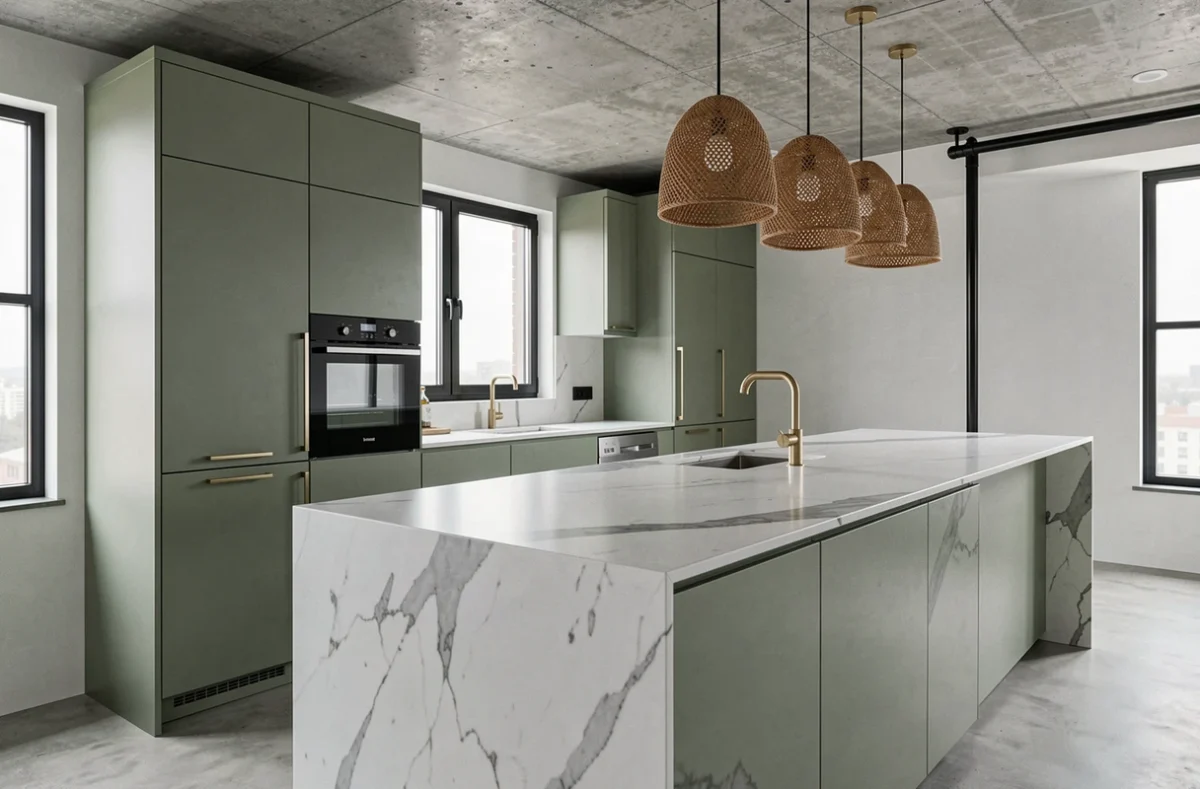
Energy renovation and redistribution of rooms
Thermal insulation from the inside, technical enclosures, and the installation of efficient ventilation reduce the available volumes in a home. A medium-sized room can lose several centimeters on each wall after the installation of insulating cladding.
The layout must be thought out in conjunction with the energy scenario, not after the work is done. Deciding on the position of a dressing room, an integrated bookshelf, or a partition without knowing the final thickness of the insulated walls leads to costly revisions.
False ceilings and ceiling height
The addition of a false ceiling to accommodate a dual-flow ventilation system or air distribution ducts alters the perception of a room. In older apartments with high ceilings, the loss remains acceptable. In newer homes, it forces a rethink of lighting, high storage, and sometimes the choice of furniture.
A standard tall kitchen cabinet may no longer fit after the installation of a false ceiling. Anticipating this constraint from the plans avoids ordering unsuitable furniture.
PEMD Diagnosis: a regulatory obligation that changes the game
For demolition or significant rehabilitation operations exceeding 1,000 m², the PEMD diagnosis (products, equipment, materials, and waste) is now mandatory. This document inventories everything that can be reused before removal.
This obligation mainly concerns large-scale projects, but it gradually spreads a culture of sorting and valorization that also affects residential sites. An individual renovating an apartment can draw inspiration from it to assess what in the existing structure deserves to be preserved rather than discarded.
- Solid wood floors in good condition can be sanded and reinstalled in another room, often yielding a result superior to that of a new entry-level floor.
- Interior woodwork (doors, frames, baseboards) in solid wood can withstand several cycles of stripping and repainting.
- Thick ceramic sanitary fixtures (sinks, bathtubs) retain their technical properties for decades.
Upholstery textiles and PFAS regulation
PFAS (per- and polyfluoroalkyl substances) are used in many upholstery textiles for their stain-resistant and water-repellent properties. French regulations plan to extend their ban to upholstery textiles, which will change the available market offerings.
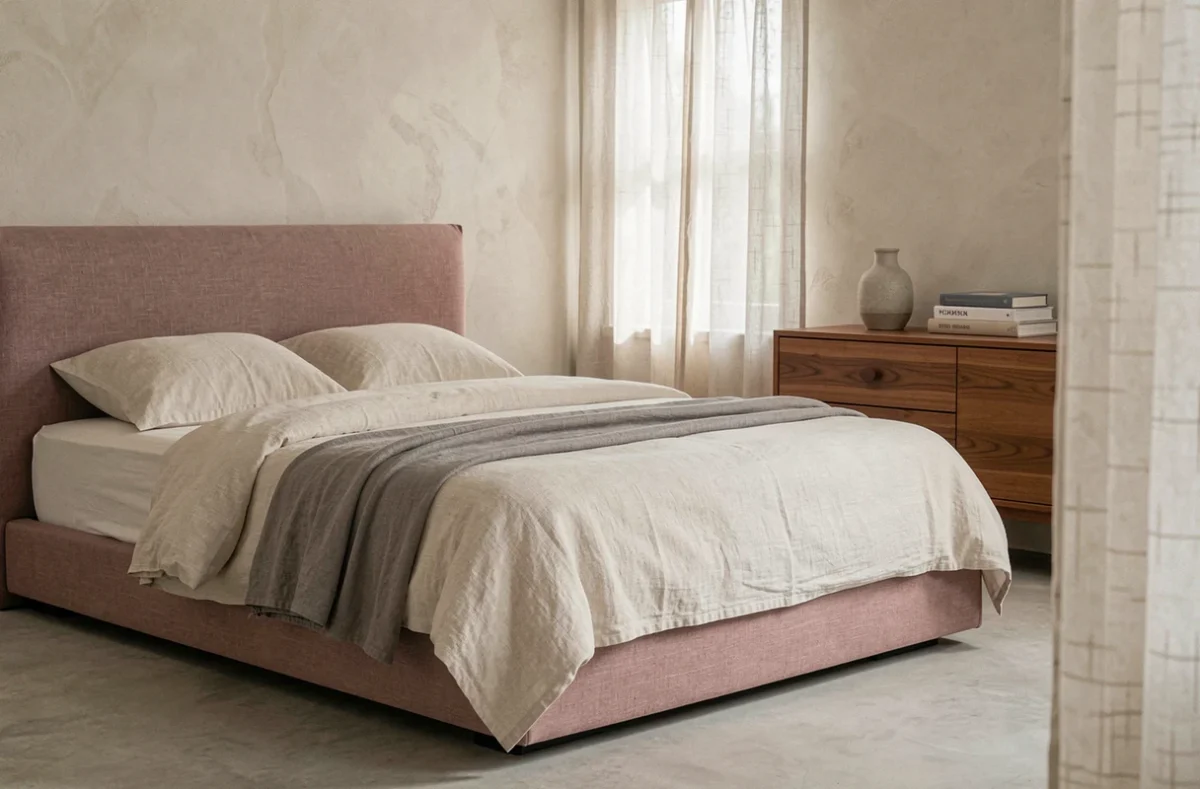
For a design project, this means that current stain-resistant treated fabrics for sofas, curtains, and cushions will no longer be offered in the same form. Alternatives already exist: raw linen, untreated cotton, natural wool. These materials require different maintenance but offer comparable durability.
Choosing textiles with knowledge
A fabric without chemical treatment ages better than a treated fabric that loses its properties after washing. Washed linen, for example, becomes more supple over time. Boucle wool naturally resists light stains due to the residual lanolin in the fiber.
Anticipating this regulatory evolution allows for consistent choices in furniture and decoration over the long term, rather than facing a change in offerings mid-project.
Modularity of furniture: designing for actual use
The trend towards modularity in furniture responds to a concrete need: the uses of a room change over the years. A home office becomes a child’s bedroom, a living room occasionally accommodates an extra bed.
- Removable partitions in wood or glass allow for reconfiguring a space without heavy intervention.
- Dual-function furniture (storage bench, extendable table, convertible console) reduces clutter without sacrificing comfort.
- Rail or bracket storage systems adapt to the height and depth available after insulation work.
This approach is not a passing trend. It directly stems from the reduction of living spaces in urban areas and the multiplication of uses within the same home.
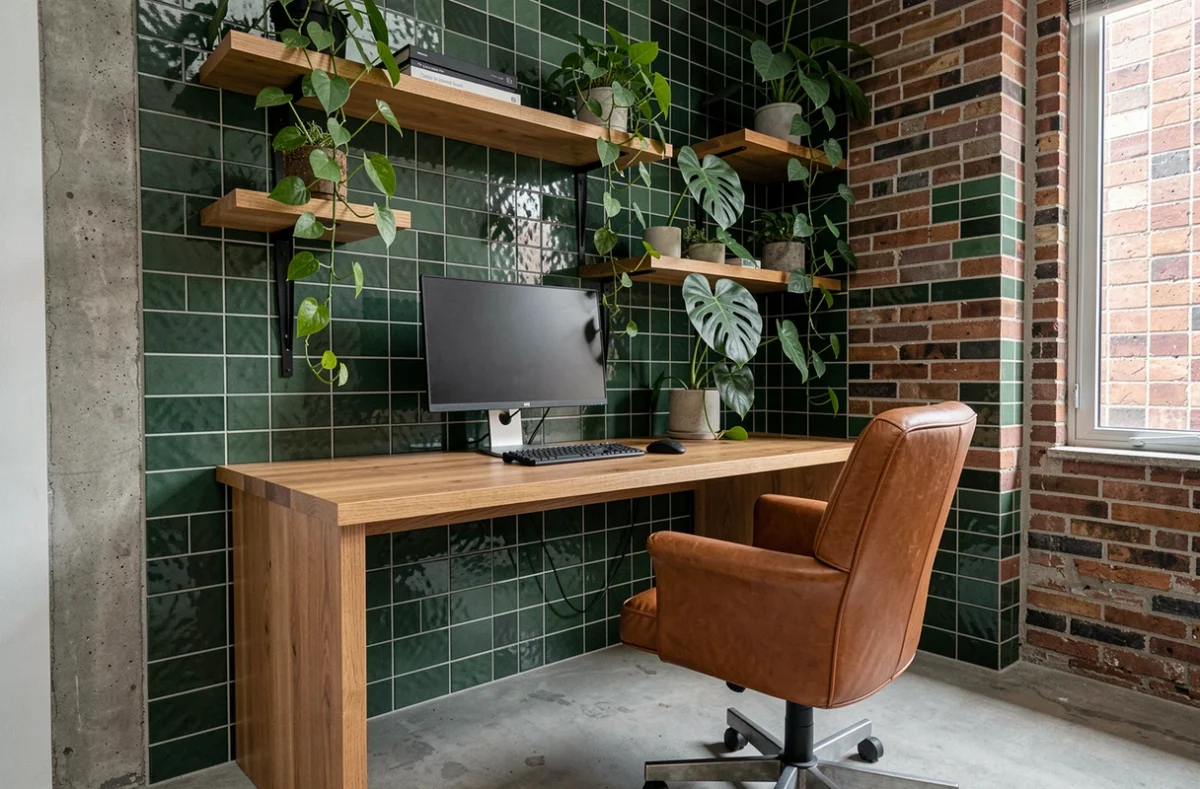
The most sustainable trends in interior design are those that start from a technical or regulatory constraint to turn it into a design lever. Reuse imposes flexibility in plans, energy renovation reshapes volumes, and evolving standards on textiles guide material choices. A successful layout integrates these parameters from the outset, not at the end of the project.