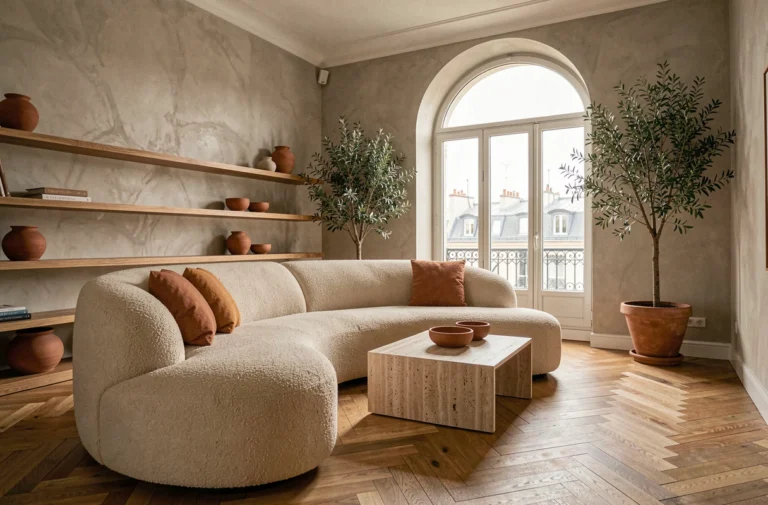
Choosing the right orientation for your home is a crucial decision when designing or purchasing your house. It is a choice that will significantly impact not only the natural light in your dwelling but also its energy efficiency. North and south orientations are generally favored to maximize natural light and minimize energy consumption. However, determining the best exposure requires a deep understanding of the main factors to consider, such as the local climate, the surrounding landscape, and personal preferences regarding lighting.
Natural light: the advantage of a well-thought-out exposure
The east exposure is an essential factor for the influx of natural light in a home. A good exposure allows sunlight to penetrate deeply inside, creating a warm and welcoming atmosphere. The benefits of such exposure are numerous.
Natural light has a positive impact on our physical and mental well-being. It promotes the production of vitamin D, boosts our mood, and enhances our productivity. By having a properly oriented home, you will benefit from an environment conducive to your personal growth.
A good exposure also increases the energy efficiency of your home. By making the most of daylight, you will reduce your reliance on artificial lighting sources during daylight hours. This will lead to significant savings on your energy bills.
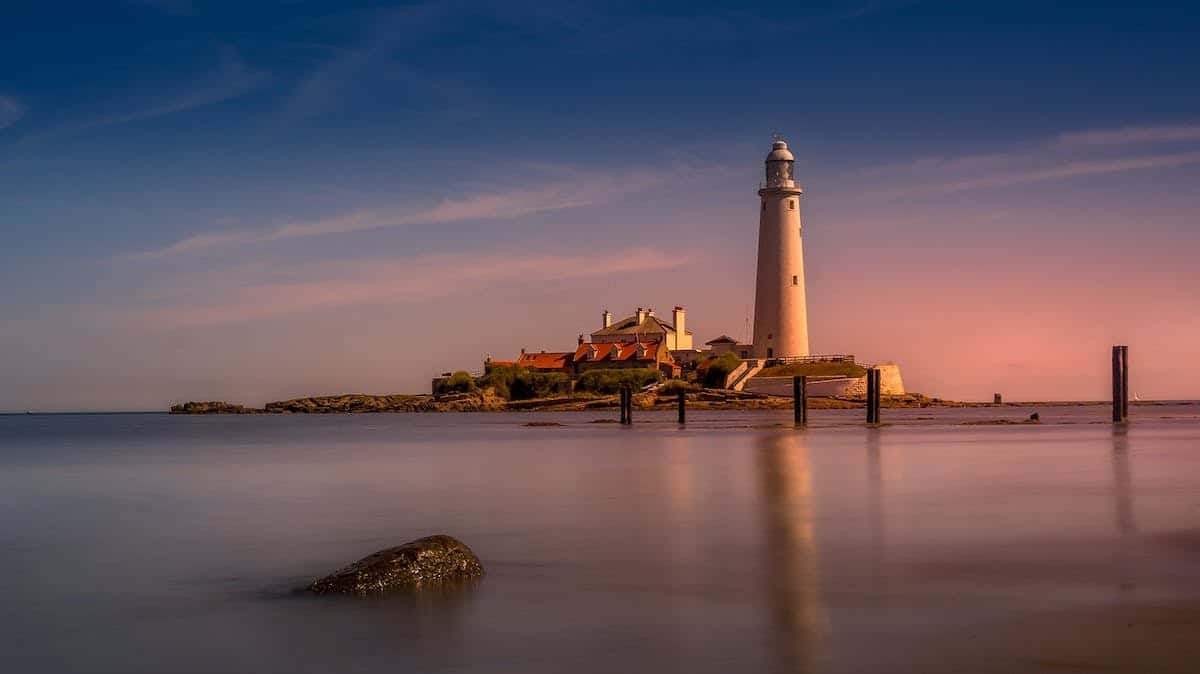
Bright house: the benefits of a good exposure
In choosing the orientation of your house, each option has a specific impact on brightness. Let’s start with the north orientation.
The north orientation is known for providing a soft and consistent light throughout the day. This direction does not receive direct sunlight. Therefore, it may be less bright than other orientations. If you want to create a more intimate atmosphere and avoid excess heat in summer, the north orientation may be ideal.
On the other hand, if you are looking for maximum exposure to natural light, orienting your house to the south is recommended. This orientation will allow your interior space to be bathed in an abundance of light throughout the day. Rooms will thus be naturally warmer and benefit from optimal brightness.
For those who prefer a balance between brightness and protection from extreme temperatures, the east orientation can prove to be wise. Thanks to the morning sun rays illuminating your spaces from dawn, this orientation offers a gentle start before the heat peaks during the central hours.
There is also the option of a west orientation for your house. The main advantage here is that it fully enjoys the spectacular sunsets on beautiful summer evenings. It should be noted that during sunny afternoons when the sun shines at its brightest, west-facing rooms can be prone to overheating. Therefore, it is recommended to use appropriate sun protection to avoid this situation.
It is important to consider these different orientations and their impacts on brightness when choosing the ideal exposure for your home. Whether you prefer a soft and intimate atmosphere, an abundance of natural light, or a balance between the two, each orientation offers its own advantages and disadvantages. Take the time to assess your needs as well as architectural constraints to find the orientation that will perfectly match your lifestyle and daily well-being.
Finding the best orientation for your home: our tips
In the quest for the best orientation for your home, you must consider other key factors. One of them is the local climate. Indeed, the weather characteristics specific to your region can influence the influx of natural light in your home.
To maximize this precious influx, there are several clever solutions to implement when designing or renovating your home.
You can opt for larger windows to allow a more generous entry of daylight. Sliding glass doors are also an excellent option that offers a majestic panorama while flooding your rooms with a welcome abundance of natural light.
Another tip is to use reflective materials on walls and ceilings. These will help diffuse light more throughout the room and create a pleasant and soothing visual effect.
The judicious use of architectural elements can also greatly contribute to maximizing the influx of natural light. For example, including a glass roof or skylight within the building will not only illuminate otherwise dark areas but also add a unique aesthetic touch to your interior.
External devices like roller shutters will allow optimal control over the intensity and direct sunlight in each room according to your specific needs.
Don’t hesitate to use light and neutral colors for your walls, floors, and ceilings. These shades will create a greater sense of space while reflecting the natural light present in your environment.
The orientation of your home is a crucial choice that will have a significant impact on the influx of natural light in your living space. By taking into account the local climate and using the solutions mentioned above, you can create an interior bathed in the softness and beauty of daylight.
Maximizing natural light: solutions to adopt
A well-oriented house offers numerous benefits in terms of comfort and energy savings. Indeed, a good exposure allows you to fully enjoy the sun’s rays throughout the day, resulting in a bright and warm interior.
From a comfort perspective, living in a well-oriented house means being able to enjoy an abundant natural brightness. This has a direct impact on our well-being by stimulating vitamin D production and positively influencing our mood. A house bathed in natural light creates a pleasant and soothing atmosphere, conducive to relaxation and rest.
Well-oriented house: comfort and energy savings guaranteed
Fresh air circulates more easily in a well-oriented house, which reduces the need to use artificial ventilation systems. As a result, this allows for considerable energy savings in the long term.
Beyond the advantages in terms of comfort and savings, the orientation of your home can also influence your environmental footprint. By choosing an optimal exposure, you maximize the use of natural light to illuminate your interior spaces during the day, thus limiting the need for artificial lighting.
A good orientation also allows you to make the most of the available natural resources for heating and cooling. For example, if you live in an area where winters are harsh and sunny, orienting the main rooms to the south can provide significant thermal gain from solar inputs.