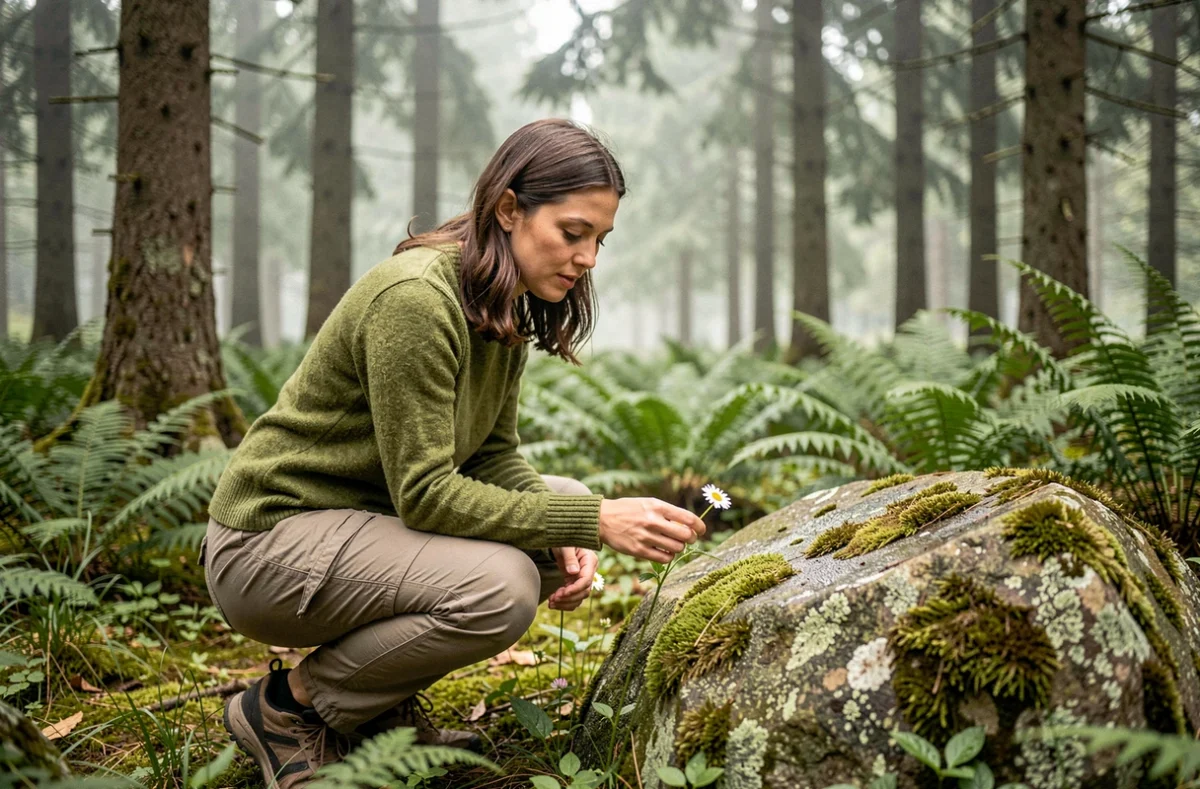
A muddy trail after three days of rain, access restrictions in the forest due to fire risk, a child who loses interest after forty minutes of walking: outdoor activities are rarely planned from the couch. Enjoying nature in France means dealing with the terrain, the weather, and local regulations, not just choosing between hiking and biking.
Access to mountain ranges and local restrictions: check before you go
It is often forgotten, but access to a natural area can change overnight. During periods of high fire danger, prefectures may restrict or prohibit entry to certain forested areas, including for pedestrians and sports activities.
The guide on access to mountain ranges published by incendie.fr, updated in September 2026, recommends checking information from the prefecture, the municipality, and on-site signs before each outing. This reflex takes two minutes and prevents being stuck in a parking lot after an hour of driving.
The same logic applies to camping. The rules vary by location and can change from season to season. The Écrins National Park, for example, has replaced some of its previous regulations. Updated sheets can be found on loisirs-verts.fr to cross-reference information by territory and type of nature activity.
Checking prefectural and municipal orders the day before departure remains the most time-efficient action.
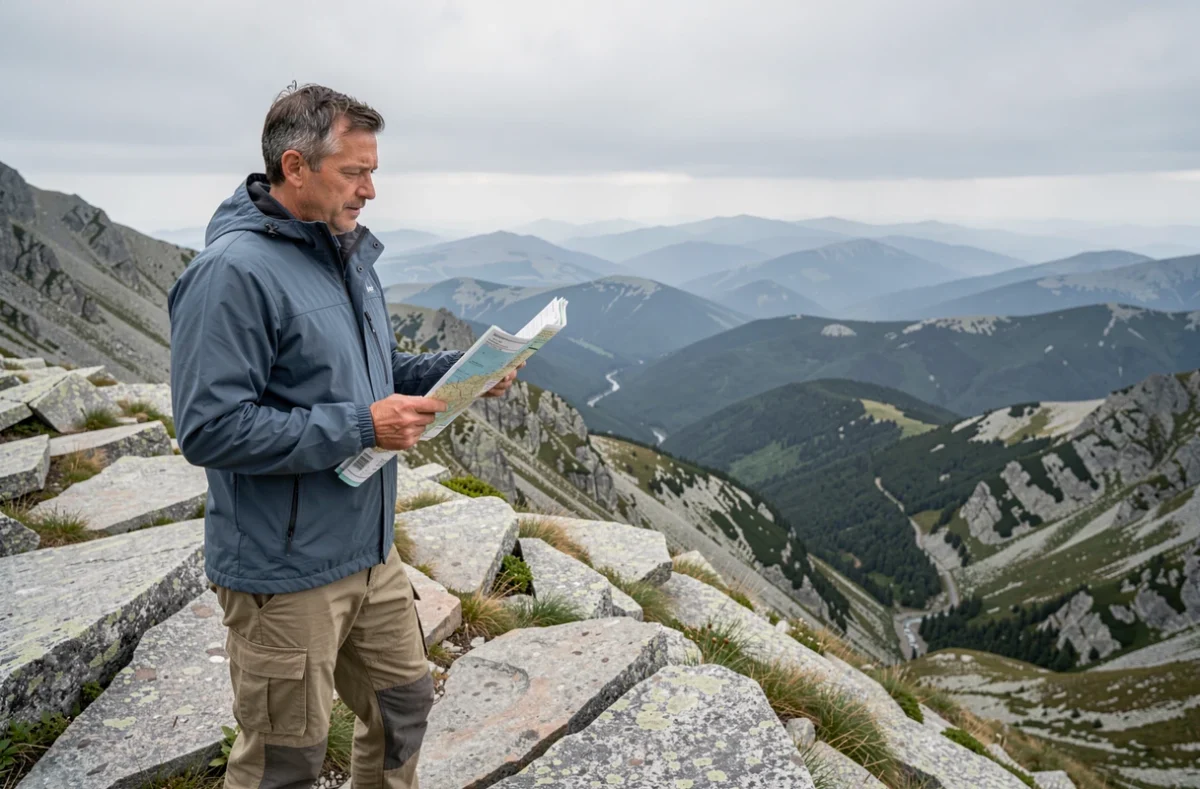
Hiking and biking in the mountains: adapting the outing to the heat
Summer attendance at mountain resorts is increasing. According to data from ANMSM and the G2A firm reported by InfoTravel in October 2026, the search for coolness is among the cited factors. However, this influx also creates pressure on water and natural environments.
Specifically, when preparing for a hike or a biking outing at altitude between June and September, two constraints must be considered:
- Very busy trails become saturated in the middle of the day. Leaving early (before 8 AM) or shifting the outing to late afternoon radically changes the experience, both for thermal comfort and tranquility.
- Water sources in the mountains are not always reliable in mid-summer. Carrying at least two liters per person and locating active springs on a recent IGN map avoids unpleasant surprises.
- Summer storms at altitude can arrive quickly. Checking a mountain weather report (not the weather for the nearest city) and planning a fallback option is part of basic preparation.
The mountains remain one of the best places to combine physical activity and landscapes in France, provided the outing is not treated like an urban stroll.
Family nature activities: choose the format before the location
Taking children outdoors is not just about finding a pretty trail. The format of the outing matters more than the destination. A six-kilometer walk on a monotonous trail will exhaust a seven-year-old, while a shorter route with passages through the underbrush, a stream to cross, or a viewpoint to reach will hold their attention.
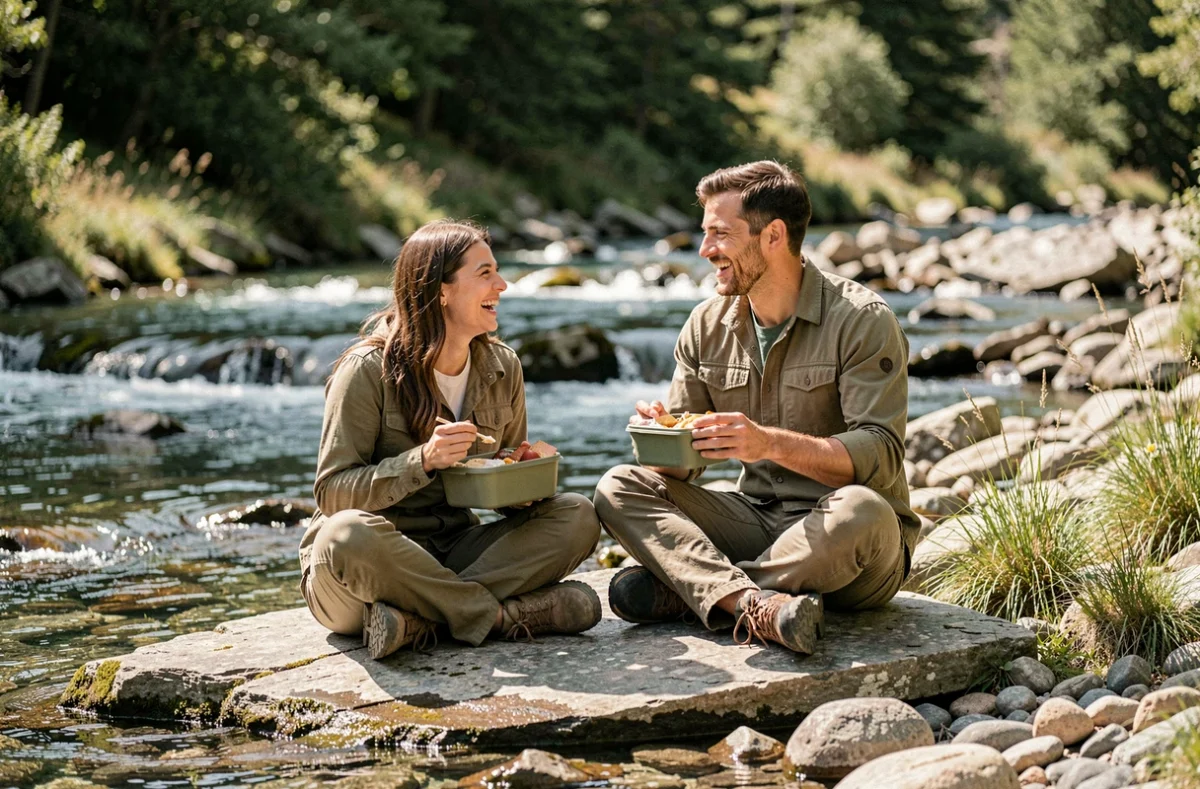
Alternating paces works better than extending the distance. One can combine an hour of walking with a picnic by a lake, followed by half an hour of observation (birds, animal tracks, plant identification). This breakdown transforms a family hike into a complete nature experience.
Camping offers a similar setting. Setting up a tent, preparing a fire (where permitted), cooking outdoors: these simple actions constitute full-fledged outdoor activities for younger children. The choice of terrain depends on the desired level of independence. A developed campsite is suitable for families starting out, while a guided bivouac in a regional park is aimed at those wanting to go further.
The trap of over-equipping
There is a tendency to compensate for a lack of preparation with equipment. For a day outing with family, a light backpack with water, snacks, a waterproof layer, and a map is sufficient. Loading a twenty-kilo bag with outdoor gadgets turns the walk into a logistical chore.
Respecting the environment on-site: concrete actions that matter
Eco-responsible principles in nature often boil down to “leave no trace.” In practice, some actions have more impact than others.
- Staying on marked trails protects fragile vegetation, especially in the mountains where regrowth takes years. Shortcuts off the trail cause visible erosion in just a few seasons.
- Taking back your waste includes biodegradable items. A banana peel can take up to two years to decompose at altitude. Apple cores attract opportunistic species that disrupt the local ecosystem.
- Avoiding chemical sunscreens near watercourses limits contamination of aquatic environments. Mineral filters exist as an alternative.
- Maintaining distance from wildlife, even when the animal seems accustomed to human presence, reduces animal stress and incidents.
These actions require no financial investment. They demand discipline, which is sometimes harder to carry than a backpack.
Trail running and nature sports: when intensity changes preparation
Trail running in France is attracting a growing audience, and the practice extends well beyond organized races. Running on mountain trails, in forests, or along the coast engages the body differently than road running. Ankles, knees, and lateral supports are constantly challenged.
A good choice of trail shoes with cushioning suited to the terrain makes more difference than any connected accessory. The sole should provide sufficient grip on wet terrain, and the upper should support the foot without compressing it.
For water sports (kayaking, paddleboarding, canoeing), preparation mainly concerns knowledge of the body of water. Current, depth, temperature, presence of dams: these parameters can be checked with local water sports centers or tourist offices. A paddle outing on a calm lake and a kayak descent on a class II river require neither the same level nor the same equipment.
The most satisfying outdoor activities are rarely the most spectacular. They are those where preparation has taken into account the actual terrain, not the dream terrain viewed from a screen.