
Some practitioners note that the repetition of circular patterns produces unexpected effects on concentration. Contrary to classical artistic techniques, controlled imprecision sometimes proves more beneficial than rigid symmetry. Beginners are often surprised to find a form of mental clarity through the simple exploration of geometric shapes.
Energetic drawing, between mandalas and sacred geometry: why is it so fascinating?
In the vast universe of graphic arts, few practices combine geometric structure and spontaneity so closely. Energetic drawing stands at the crossroads of ancestral mandalas and sacred geometry, bringing together curious individuals interested in personal development and passionate creators. Here, it is impossible to simply align patterns: it is about feeling, exploring the subtle dialogue between the circle, mathematical rigor, and the movement of the living.
Everything begins with the center. You place the point of the compass, draw the first circle, and then build the pattern layer by layer. Gradually, the gesture takes on a ritualistic flavor. The iconic figures, flower of life, rosettes, stars, captivate with their balance and their interplay of interdependence. At each stage, one discovers how each line, each curve, comes together to create a harmony that seems to transcend the initial intention.
Those who engage in it often describe this unique sensation: seeing a form emerge under their fingers that appears alive. The adjustment of a color, the subtlety of a line, the flexibility of a compass, all influence the perception one has of the artwork and of oneself. Learning the basics of energetic drawing, through the method mentioned in ‘Energetic Drawing: Learning How to Do It – Maisons Euro France’, invites one to journey without pressure on the final result: the lived experience takes precedence over the obsession with perfect rendering.
What is appealing is this ability to organize thoughts, to calm agitation, and sometimes to open unsuspected doors to creativity. Drawing a circle, repeating a pattern, is granting oneself a pause, a breathing space where time stretches differently. The universal significance of sacred geometry, present in so many cultures, gives these exercises a dimension far beyond mere ornamentation.
What are the basics to know to get started without pressure?
Before starting, prepare the appropriate materials for energetic drawing: favor a sharp pencil, a soft eraser, and paper thick enough to avoid unwanted reliefs. The compass quickly becomes indispensable. A few markers or colored pencils will enrich your first attempts, but there’s no need to over-equip: simplicity remains the ally of beginners.
The first decisive step is to establish the central circle. This starting point structures the composition and determines the stability of your pattern. Take the time to check the compass’s opening, adjust the pressure. The hand gradually gets used to it, refines the regularity, and discreetly corrects hesitations over time.
To adopt the right reflexes from the start, keep these guidelines in mind:
- Be precise in positioning the compass: a clear center facilitates the balance of the drawing.
- Proceed step by step, without rushing: start with simple shapes, then gradually complicate by adding new subdivisions.
- Experiment with different tools to vary texture or contrast effects, without aiming for absolute accuracy right away.
Progress is primarily nourished by consistency. Allow yourself short but frequent times to practice, observe the evolution of your lines, adjust without judging yourself. By varying the pressure and changing the rhythm, you will gradually refine your hand-eye coordination, patience, and desire to explore further. This simple routine nurtures creativity and confidence in your gestures.
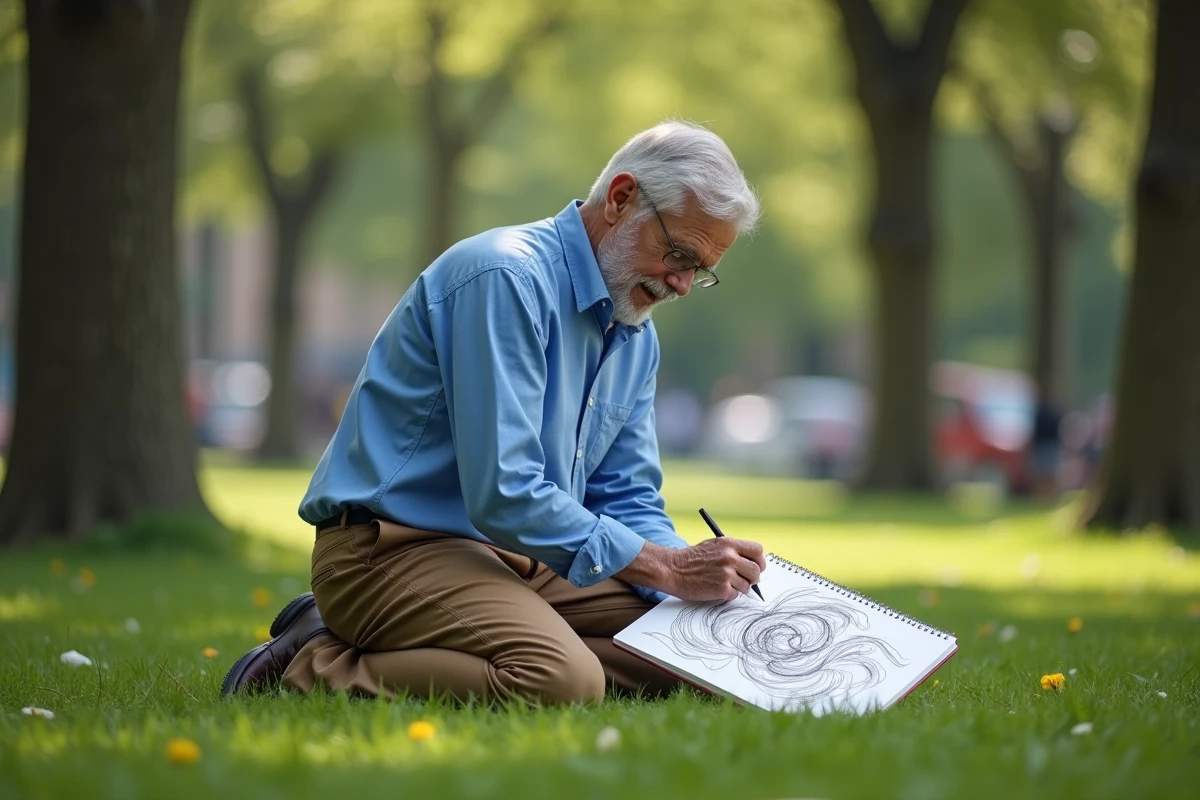
Resources and tips for progressing easily from the first strokes
To enrich your practice of energetic drawing, it is better to turn to structured and accessible educational materials. Drawing courses designed for beginners, which detail each step from handling the compass to creating complex patterns, facilitate skill development. Video tutorials, in particular, provide valuable insights into gesture, rhythm management, and pressure adjustment.
Online learning opens up a thousand possibilities: dedicated forums, webinars, and exchange platforms allow for analyzing different styles, sharing your attempts, and asking specific questions about technical points. Collective emulation stimulates progress, builds confidence, and helps identify concrete solutions to encountered difficulties.
Here are some tips to structure your evolution:
- Set a simple routine: ten minutes a day to draw circles and patterns, without aiming for virtuosity.
- Try a basic CAD software to explore symmetrical construction and the organization of shapes, then transfer your findings to paper.
- Draw inspiration from great classics, the flower of life, the medieval rosette, to grasp the relationship between structure and personal expression.
Changing materials sharpens the sense of experimentation: try pencil, technical pen, watercolor to diversify your compositions. Online resources are full of practical sheets, detailed diagrams, and progressive exercises to test. Browse reference books, compare proven methods, and cross-check recommendations from seasoned artists. The more you exchange, the more your perspective sharpens, and your line gains confidence. Energetic drawing is as much an exploration of gesture as of oneself. And each circle, each pattern, becomes another step towards unbridled creativity, where hand and mind move forward together.