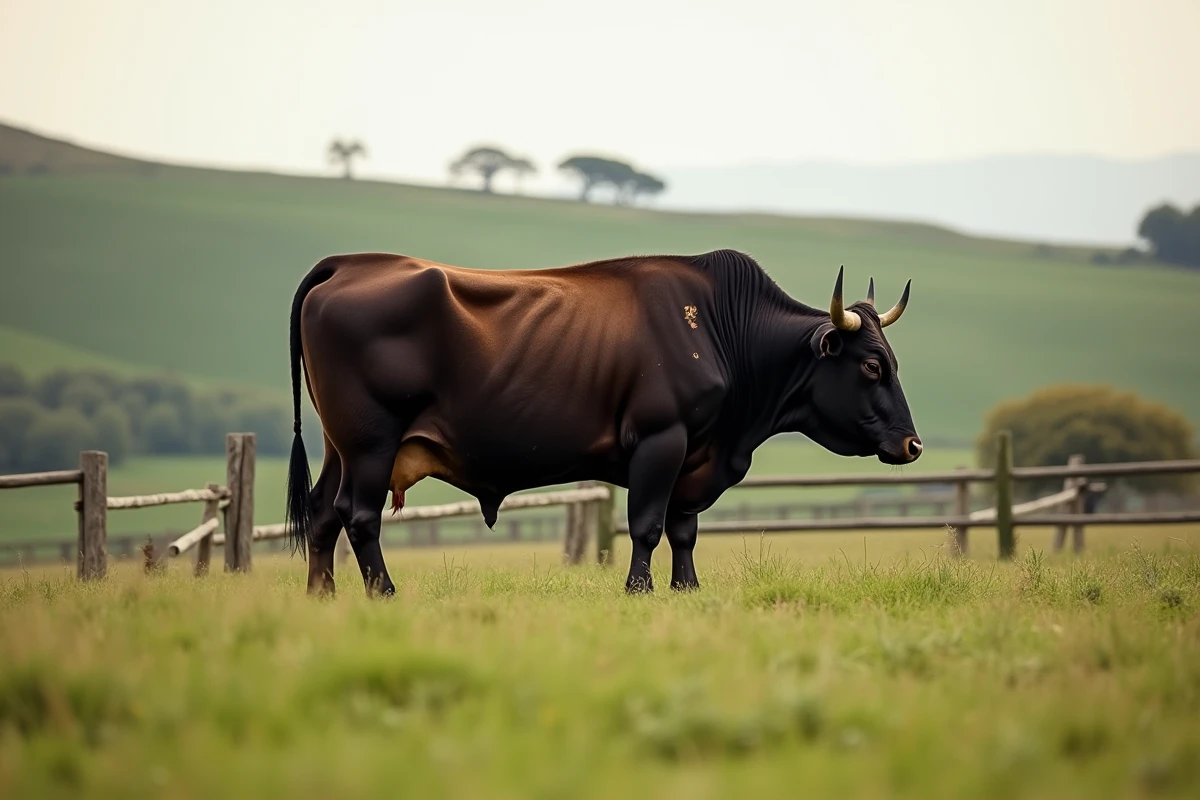
In almost all bullfights, the bull dies in the arena. Its body is then dragged off the track and sent to a meat processing facility. The fate of the few survivors, pardoned by the president of the event, remains largely unknown to the public.
Indulto: the procedure that allows a bull to leave the arena alive
The term indulto refers to the pardon granted to a bull during a bullfight. This decision is made by the president of the arena, at the request of the matador, when the animal has shown behavior deemed exceptional: bravery, nobility of charge, endurance in the various phases of the fight.
The indulto is not a spontaneous act of clemency. The bull must have suffered the initial injuries inflicted by the picadors and banderilleros before the pardon can be considered. The animal thus leaves the arena with open wounds, sometimes deep, at the level of the morillo (muscle mass of the neck and withers).
Understanding the lifespan of a pardoned bull after a bullfight requires knowledge of the injuries it bears at the time of its exit from the arena. The spikes penetrate the trapezius muscle by several centimeters, sever fibers, and cause internal bleeding that requires prompt care.
Veterinary care and locomotor rehabilitation of the pardoned bull
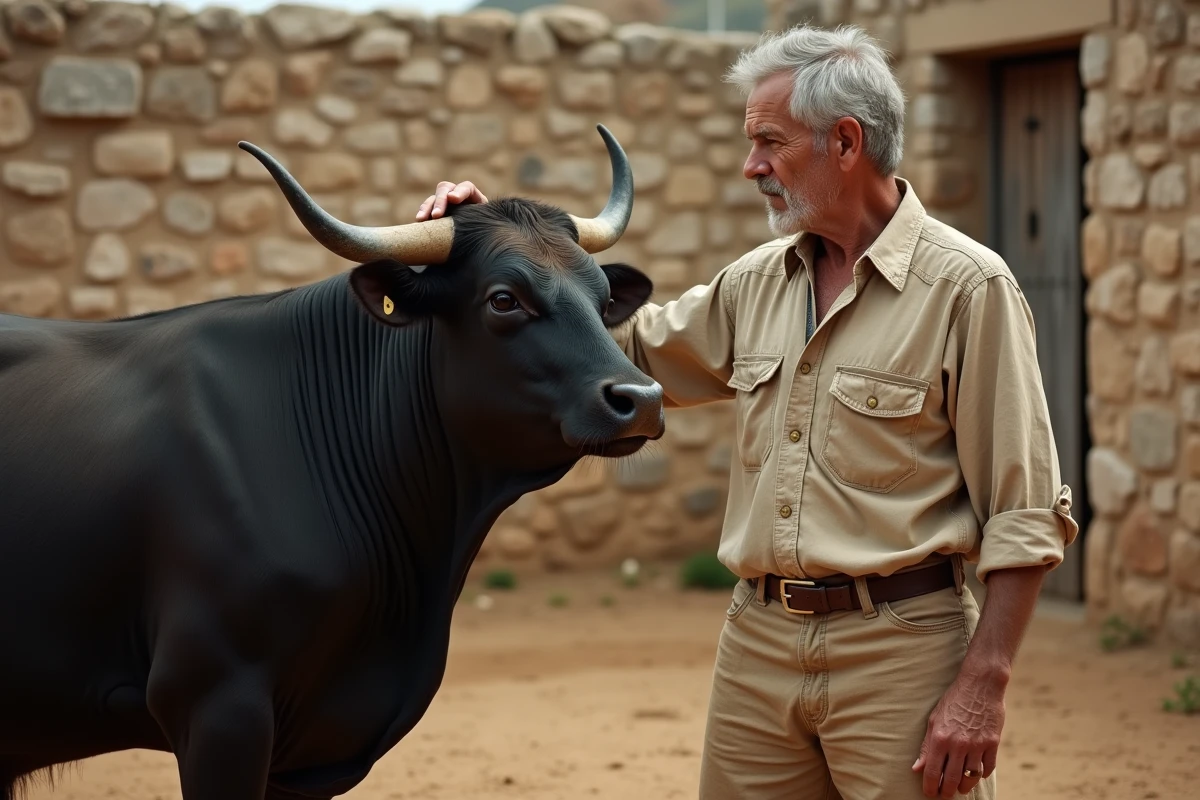
Back at the ganadería (breeding farm of origin), the pardoned bull enters a care protocol that is far from trivial. The injuries from spikes and banderillas affect highly vascularized areas. The risk of infection is high, and pain management poses a challenge for specialized veterinarians.
According to technical communications from the Faculty of Veterinary Medicine at the University of Córdoba, some Spanish ganaderías have structured protocols that include orthopedic follow-up, pain management, and locomotor rehabilitation. Behavioral assessments sometimes complement this system to evaluate the animal’s level of chronic stress.
Steps in physical recovery
- Cleaning and suturing of wounds caused by spikes and banderillas, with antibiotic treatment to prevent deep infections
- Prolonged rest in an isolated enclosure, away from the rest of the herd, to limit sudden movements and promote healing of the morillo
- Progressive rehabilitation over several months, with monitoring of cervical mobility and feeding behavior
Complete recovery often takes several months. Some bulls retain permanent sequelae: cervical stiffness, lameness, fibrous scars that limit the range of motion.
Breeding bull after the bullfight: the role of semental
The main reason for the indulto is genetic, not sentimental. A pardoned bull is sent back to breeding to become a semental, meaning a breeding bull. The breeder hopes to pass on the qualities of bravery and nobility observed in the arena to the offspring.
The bull then joins a small group of selected males. Its function is limited to reproduction. It lives in pasture, in the dehesas (extensive grasslands in southern Spain), with access to grass, water, and sufficient space to move around.
Living conditions compared to a conventional breeding bull
A fighting bull lives freely on vast lands before being selected for the arena. A survivor returns to this same environment. Its daily life does not fundamentally differ from that of other breeding bulls, with one exception: the physical sequelae of the fight sometimes alter its mobility and social behavior towards other animals.
The ganaderías that practice the indulto consider the pardoned bull as genetic capital. Its value depends on the quality of its offspring, not on its longevity. A semental can remain active for several years, as long as its fertility is deemed satisfactory.
Spanish legal framework and exceptions for fighting bulls
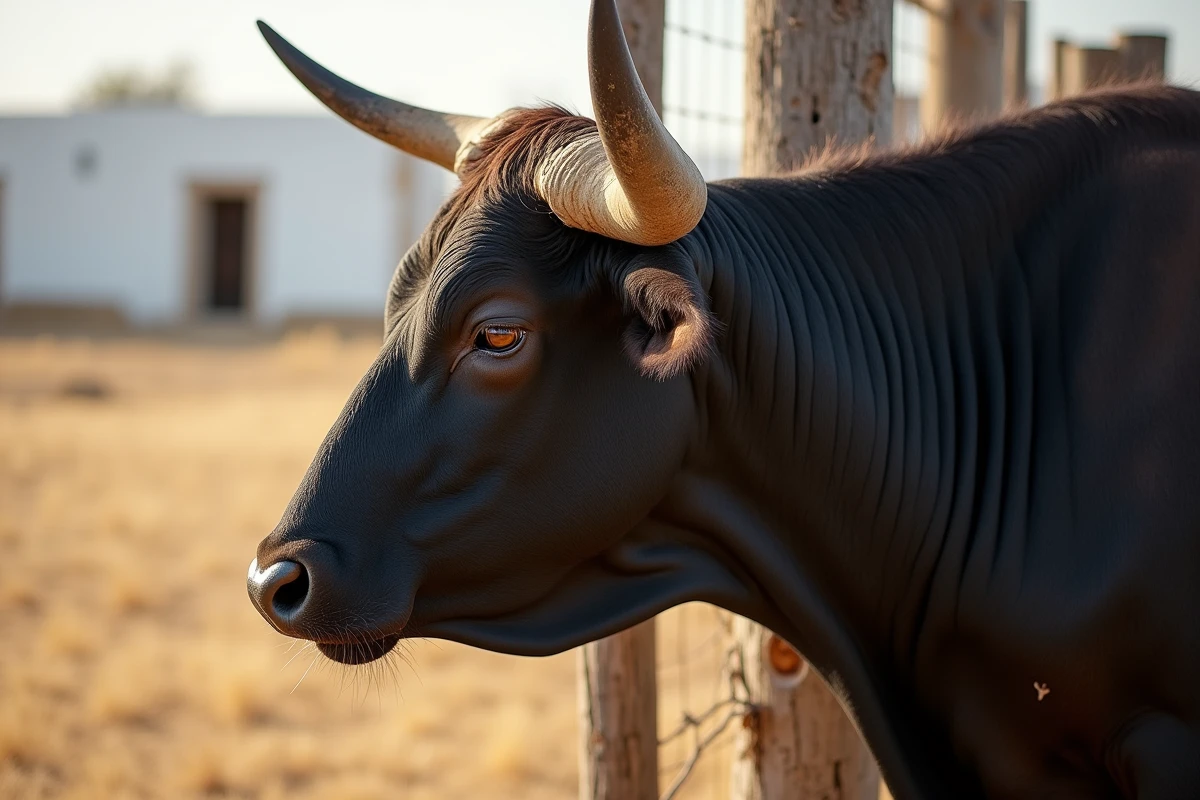
Spanish animal protection legislation provides specific exemptions for bullfighting events. This framework has a direct impact on the care of survivors. According to the Spanish Defensor del Pueblo, in its annual report published in 2024, the actions allowed during bullfights would require rapid euthanasia or intensive care for any other bovine.
This legal exception means that no legal obligation compels the breeder to provide a specific level of care for the pardoned bull. Veterinary follow-up depends on the willingness and resources of each ganadería. Some invest in rigorous protocols. Others limit themselves to minimal treatment of wounds.
The issue of prolonged suffering
Public data almost exclusively focuses on bulls killed in the arena. The fate of animals evacuated alive but severely injured, who do not receive a formal indulto, remains a documentary blind spot. These bulls, deemed unfit for reproduction, are generally directed to the slaughterhouse within days.
The line between pardon and prolongation of suffering is a subject of veterinary debate. A bull with significant internal injuries may survive for weeks before complications arise.
Actual lifespan of a surviving bull in ganadería
A brave breed bull lives on average longer than a bovine destined for slaughter, simply because it is kept alive for reproduction. The survivor of a bullfight benefits from the same framework, with one nuance: its injuries potentially reduce its longevity compared to a breeding bull that has never fought.
- Muscle and joint sequelae weaken the animal against secondary infections and early arthritis
- Chronic post-fight stress, documented by behavioral assessments, can affect the immune system in the long term
- Retirement from reproduction occurs when fertility declines, and the bull’s fate then entirely depends on the breeder
The indulto remains a rare event. The vast majority of fighting bulls end their lives in the arena or at the slaughterhouse. For the few survivors, the ganadería offers a reprieve whose quality varies significantly from one breeding farm to another. The fate of a pardoned bull depends less on the law than on the individual will of the breeder who retrieves it.